find glass packaging for your business
The Craft of Glass Packaging: Elevating Your Brand Using Premium Glass Bottles
The science of glass packaging offers brands a distinctive pathway to stand out. Via eco-friendly approaches, glass bottles not only enhance visual appeal but also align with eco-conscious consumer values. Their intrinsic properties, encompassing recyclability and material safety, reflect a dedication to quality standards. As organizations traverse this shifting terrain, understanding the multifaceted benefits and challenges of glass packaging becomes essential for long-term success. How are brands leveraging creative approaches to capitalize on these benefits?
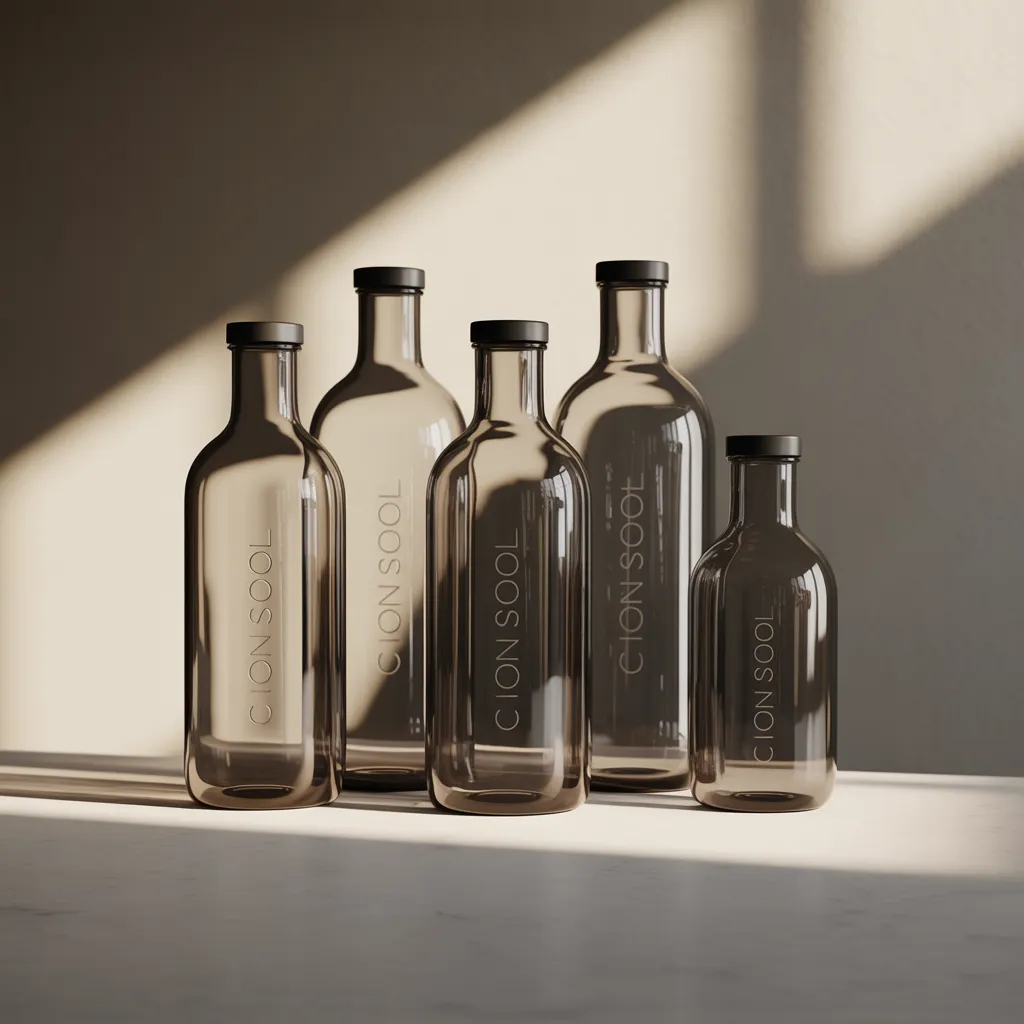
Reasons to Select Glass Packaging for Your Brand
Selecting glass as a packaging material can significantly improve a brand's reputation and environmental initiatives. Businesses that select glass demonstrate a commitment to quality and premium experiences, resonating with sophisticated customers who appreciate aesthetic and functional attributes. Glass offers a enduring and sophisticated look, enhancing a brand's recognizable image while delivering a physical interaction that synthetic materials fail to replicate.
Furthermore, glass packaging creates a sense of purity and safety, as it is free from toxic substances commonly present in plastic materials. This option can draw in eco-aware shoppers who link glass with environmentally sound decisions. Additionally, its resilience permits repeated utilization, further reinforcing a brand's dedication to sustainability.
In a marketplace placing greater emphasis on environmental impact, adopting glass packaging can set a brand apart building consumer loyalty and strengthening brand trust. In the end, this deliberate decision positions brands as leaders in quality and environmental responsibility, aligning with modern consumer values.
The Eco-Friendly Advantages of Glass Bottles
Glass bottles present significant sustainability benefits that distinguish them from alternative packaging options. These containers are 100% recyclable, contributing to a sustainable economy where materials can be reused indefinitely without degradation in quality. This property greatly reduces the demand for new materials, thus reducing resource extraction and energy consumption associated with manufacturing.
Furthermore, glass packaging is inert, meaning it does not seep toxic substances into its products, ensuring more secure consumption. As opposed to plastic, glass does not contribute to microplastic pollution, which is a mounting environmental issue.
Glass bottle production also generates lower greenhouse gas emissions compared to plastic alternatives. With advancements in manufacturing processes, energy efficiency has been greatly enhanced, additionally minimizing the carbon footprint associated with glass production.
Creative Designs That Elevate Glass Packaging
Unique aesthetics in glass containers are transforming how products are perceived. Distinctive forms and designs not only boost practicality but also attract consumer attention. Furthermore, striking color combinations further enhance the visual impact, making glass containers stand out on shelves.
One-of-a-Kind Shapes and Structures
Creative solutions in glass-based packaging not only enhance aesthetic appeal but also act as a key factor in establishing brand uniqueness. Original shapes and configurations can craft remarkable experiences for buyers, allowing products to rise above the competition on competitive store shelves. To illustrate, irregularly shaped bottles or angular designs can evoke curiosity and encourage interaction. These unique configurations often correspond with a brand's core values, supporting its overarching mission and beliefs. Moreover, unique forms can enhance usability, such as easier handling or enhanced pouring. Brands that invest in creative glass designs project a strong focus on superior quality and green practices, attracting environmentally conscious consumers. Through emphasizing creativity in their packaging choices, brands can cultivate more meaningful relationships with consumers, thereby boosting brand loyalty and expanding market visibility.
Eye-Catching Color Palettes
Rich color combinations serve a vital function in elevating glass packaging design, turning everyday bottles into striking visual declarations. By utilizing a deliberate combination of shades, companies can stir feelings and craft lasting impressions for customers. Bold colors can signify premium quality, while softer tones may convey delicacy and sophistication.
Moreover, the application of multi-toned designs and gradients brings depth and sophistication, drawing attention on crowded shelves. Sustainability-driven practices further elevate the attractiveness; sustainable dyes and finishes appeal to environmentally aware consumers. Ultimately, the ideal color palette not only captures a brand's essence but also underscores its pledge to sustainability, making glass packaging a powerful tool for differentiation in a competitive market.
What Role Does Glass Packaging Play in Enhancing Product Perception?
Glass packaging markedly enhances the perception of products with its premium aesthetic and tactile quality, evoking a feeling of luxury among consumers. The visual transparency and clarity of glass provide a clear and unimpeded view of the contents, strengthening the perception of quality. Additionally, using glass aligns with eco-friendly brand positioning, resonating with eco-minded consumers.
Exceptional Feel And Appeal
Utilizing glass packaging greatly elevates the apparent worth of a product, frequently linking it to quality and sophistication. Customers often link glass with premium quality, leading to enhanced brand loyalty and positive consumer experiences. The physical feel of glass, with its sleek finish and substance, contributes to a luxurious sensation that plastic cannot replicate. This experiential connection builds a relationship between the product and the consumer, fostering a perception of excellence. Additionally, glass packaging demonstrates a dedication to sustainability, attracting environmentally-conscious buyers. Therefore, businesses employing glass containers can establish themselves as superior choices within their markets, appealing to thoughtful consumers who value both aesthetics and ethical considerations in their buying choices.
Visual Clearness And Transparency
When consumers encounter products in glass vessels, their perception is often enhanced by the intrinsic visual see-through quality it delivers. This clarity permits interested shoppers to observe the item inside, building a feeling of confidence and genuineness. The transparency of glass not only displays the product's excellence but also emphasizes its hue and texture, enhancing visual appeal. Furthermore, the lack of label obstructions on transparent glass lets the product become the focal point, generating a more immersive purchasing journey. Glass containers can enhance brand image by communicating a dedication to excellence and artisanship. This visual clarity ultimately influences consumer decisions, encouraging a deeper emotional connection with the product and the brand.
Green Brand Positioning
Eco-conscious brands leverage glass materials to solidify their pledge to environmental responsibility, successfully elevating how products are perceived. Glass communicates an impression of quality and refinement, establishing a superior benchmark against plastic options. This material not only emphasizes the ecological values of a brand but also resonates with shoppers who value eco-conscious decisions. The tactile experience of glass—its weight and texture—further elevates the perceived value of the product. Moreover, the ability to recycle glass resonates with the rising consumer expectation for eco-friendly practices, fostering brand loyalty. By selecting glass, brands not only highlight their devotion to environmental stewardship but also present their products as top-tier selections, thus building a favorable reputation in a crowded market.
Examples of Brands Thriving With Glass Packaging
Numerous brands are flourishing by embracing glass packaging, demonstrating its appeal to consumers and commitment to sustainability. For instance, a leading beverage company transitioned to glass bottles, resulting in a 30% rise in sales within a year. The transition not only improved product visibility on shelves but also resonated with eco-conscious consumers, solidifying the brand's sustainability message.
Another beauty label made a successful switch to glass vessels, significantly enhancing its luxury brand perception. This change attracted a committed following that values both visual appeal and eco-conscious practices. Furthermore, an artisan brewery adopted reusable glass growlers, building brand loyalty while minimizing waste. These real-world cases show that glass solutions not only satisfy market needs for environmentally responsible choices but also bolsters brand value and industry presence. Such thoughtful selections underscore an expanding movement among companies seeking to align their operations with sustainable practices while appealing to modern consumers.
Ways to Address Challenges in Glass Packaging
Steering through the challenges of glass packaging requires forward-thinking solutions and a deep understanding of the market. Brands often face challenges such as elevated manufacturing expenses, heavy material considerations, and breakability. To tackle these, brands can invest in advanced manufacturing techniques that minimize material waste and enhance durability. Working alongside suppliers to source eco-friendly materials also mitigates environmental consequences while resonating with environmentally conscious consumers.
An additional obstacle concerns the complexities of shipping, considering the substantial weight of glass. Implementing smart logistics solutions, such as refined shipping techniques and innovative packaging designs, can reduce expenses and ensure product protection while in transit. Additionally, raising consumer awareness regarding glass's superiority over plastic can foster brand loyalty and drive demand. By implementing these methods, companies can surmount challenges in glass packaging and distinguish themselves as innovators in eco-friendly practices, ultimately enhancing their brand image and market presence.
Future Trends in Sustainable Glass Packaging
As the demand for sustainable packaging continues to rise, the glass packaging industry is set for remarkable evolution. Breakthroughs in manufacturing techniques are projected to boost energy efficiency, minimizing the carbon emissions tied to glass production. Moreover, the rise of lightweight glass bottle usage will become a defining trend, reducing shipping emissions while preserving product quality.
Recycling programs will grow increasingly strong, with enhanced partnerships between manufacturers and municipalities to advance glass recovery and handling. Moreover, the incorporation of intelligent technology within packaging will facilitate improved clarity throughout the supply chain, empowering companies to highlight their environmental commitments with impact.
Growing consumer demand for sustainable products will further accelerate the creation of customizable, aesthetically pleasing designs, marrying functionality with visual appeal. As brands prioritize sustainability, the find details about glass packaging industry is poised to transform its strategies, harmonizing with global sustainability targets while fulfilling the needs of an eco-conscious audience.
Questions We Often Receive
How Do the Costs of Glass Packaging Compare to Those of Plastic?
Packaging made from glass commonly involves greater expenses owing to production, transportation, and recycling processes when compared to plastic alternatives. However, it delivers eco-friendly benefits and stronger brand positioning, which can justify the investment for some businesses.
What Are My Options for Customizing Glass Bottles for My Brand?
Businesses can customize glass packaging through original forms, tones, and surface treatments. Engraving, labeling, and printing designs elevate brand identity. Collaborating with vendors ensures consistency with sustainability goals all while preserving aesthetic appeal and functionality.
What Specific Regulations Apply to Glass Packaging?
Indeed, particular regulations for glass packaging are in place, differing across regions. These include safety standards, labeling requirements, and recycling guidelines, guaranteeing consumer safety and environmental responsibility while advancing sustainable practices in packaging manufacturing and distribution.
What Are the Best Practices for Recycling Glass Bottles?
To recycle glass bottles effectively, residents should wash them thoroughly to clear out any remaining contents, take off the caps, and organize them according to color. Additionally, they should check local guidelines for specific recycling protocols and drop-off locations to ensure correct handling and processing.
How Does Glass Packaging Impact Shipping and Logistics?
Glass packaging considerably affects shipping operations and logistics by introducing increased weight and fragility, demanding meticulous handling and dedicated transportation methods. This may result in elevated costs and more intricate supply chain management when compared to lighter and more resilient materials.